
Overview
The Rongai Route approaches Mount Kilimanjaro from the northern side near Kenya. It is quieter than other routes and offers stunning views of the mountain’s remote landscapes. The route passes through forests, moorlands, and alpine desert before reaching the summit.
Low season (April 1st – May 19th)
Mid season (May 20th – June 30th)
(October 1st – December 19th)
(January 11th – March 31st)
High season (July 1st – September 30th)
(December 20th – January 10th)
Highlights
Trip highlights
- Only northern approach route
- Only northern approach route
- Spectacular views of Mawenzi Peak
- Scenic alpine desert landscapes
Inclusions
What's included
- Professional mountain guides and porters
- Park entry and camping fees
- All meals during the trek
- Camping equipment (tents and mattresses)
- Drinking water during the trek
- Transfers to and from the mountain gates


Days 1
Rongai Gate to Simba Camp
The trek begins at Rongai Gate, located near the Kenyan border on the northern side of Mount Kilimanjaro. The trail passes through farmland and pine forests where wildlife such as colobus monkeys may be seen. The gradual ascent leads to Simba Camp on the edge of the moorland zone, where trekkers enjoy dinner and overnight.
Altitude: 1,950m → 2,650m
Distance: 8 km
Hiking Time: 4 hours
Altitude: 1,950m → 2,650m
Distance: 8 km
Hiking Time: 4 hours
Leaving the forest behind, the trail climbs through open moorland with spectacular views across the Kenyan plains. The hike is steady but gradual, allowing climbers to adjust to the increasing altitude. You will reach Second Cave Camp, located near ancient lava caves used by earlier climbers.
Altitude:2,650m → 3,450m
Distance:: 6 km
Hiking Time: 4–5 hours
Altitude:2,650m → 3,450m
Distance:: 6 km
Hiking Time: 4–5 hours
Day 2
Simba Camp to Second Cave Camp
Day 3
Second Cave Camp to Kikelewa Camp
Today’s trek leads through scenic moorland valleys and volcanic landscapes as the route gradually climbs toward the eastern side of Kilimanjaro. The trail becomes steeper as you approach Kikelewa Camp, situated in a sheltered valley surrounded by rocky ridges.
Altitude: 3,450m → 3,600m
Distance: 6 km
Hiking Time: 3–4 hours
Altitude: 3,450m → 3,600m
Distance: 6 km
Hiking Time: 3–4 hours
The climb continues toward the dramatic spires of Mawenzi Peak. The trail passes through alpine desert landscapes before reaching Mawenzi Tarn Camp, a beautiful campsite located beneath the towering Mawenzi cliffs.
Altitude: 3,600m → 4,330m
Distance: 5 km
Hiking Time: 4 hours
Altitude: 3,600m → 4,330m
Distance: 5 km
Hiking Time: 4 hours
Day 4
Kikelewa Camp to Mawenzi Tarn Camp
Day 5
Mawenzi Tarn to Kibo Hut
The route crosses the wide alpine desert known as the Saddle between Mawenzi and Kibo Peak. The terrain becomes barren and rocky as you approach Kibo Hut, where climbers prepare for the summit attempt.
Altitude: 4,330m → 4,700m
Distance: 8 km
Hiking Time: 5–6 hours
Altitude: 4,330m → 4,700m
Distance: 8 km
Hiking Time: 5–6 hours
Just after midnight, climbers begin the ascent toward Uhuru Peak. The trail passes Gilman's Point before reaching the summit. After celebrating, descend to Horombo Camp for overnight.
Altitude: 4,700m → 5,895m → 3,720m
Distance: 20 km Hiking Time: 10–14 hours
Altitude: 4,700m → 5,895m → 3,720m
Distance: 20 km Hiking Time: 10–14 hours
Day 6
Summit Day – Uhuru Peak to Horombo Camp
Day 7
Horombo Camp to Marangu Gate
The final descent passes through lush rainforest toward Marangu Gate, where climbers receive summit certificates before returning to the hotel.
Altitude: 3,720m → 1,860m
Distance: 18 km
Hiking Time: 5–6 hours
Altitude: 3,720m → 1,860m
Distance: 18 km
Hiking Time: 5–6 hours
Accommodations:
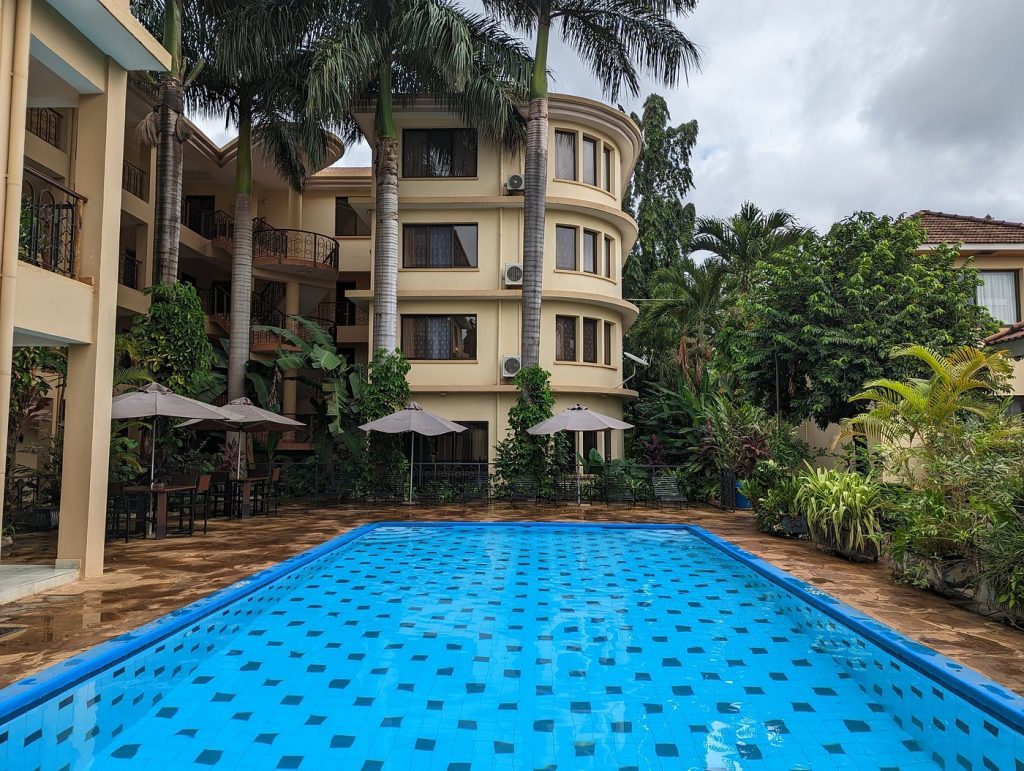
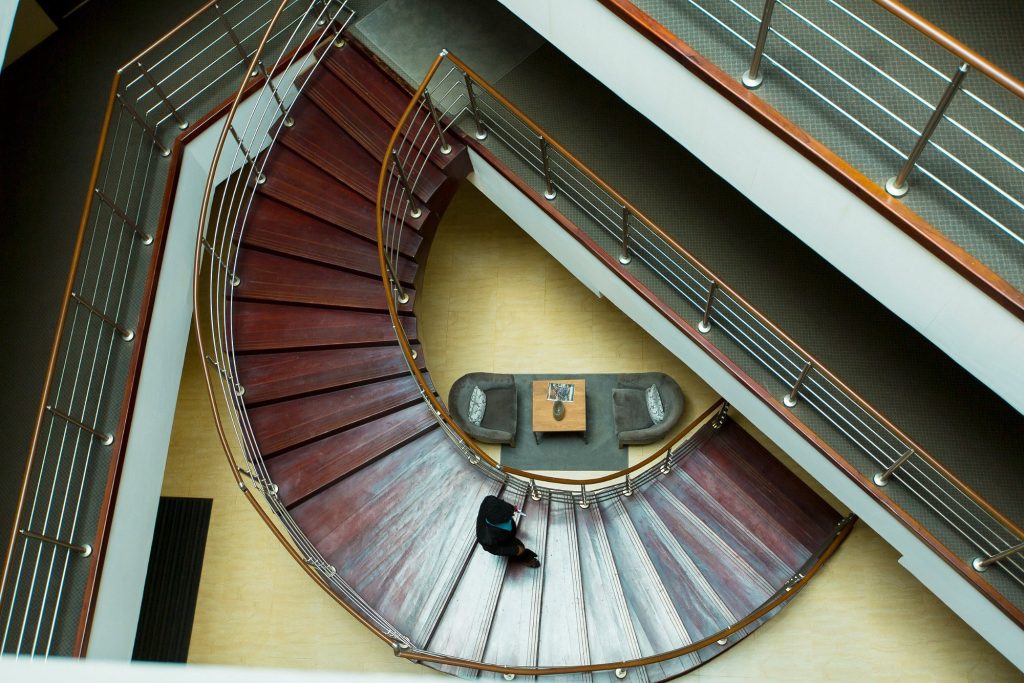
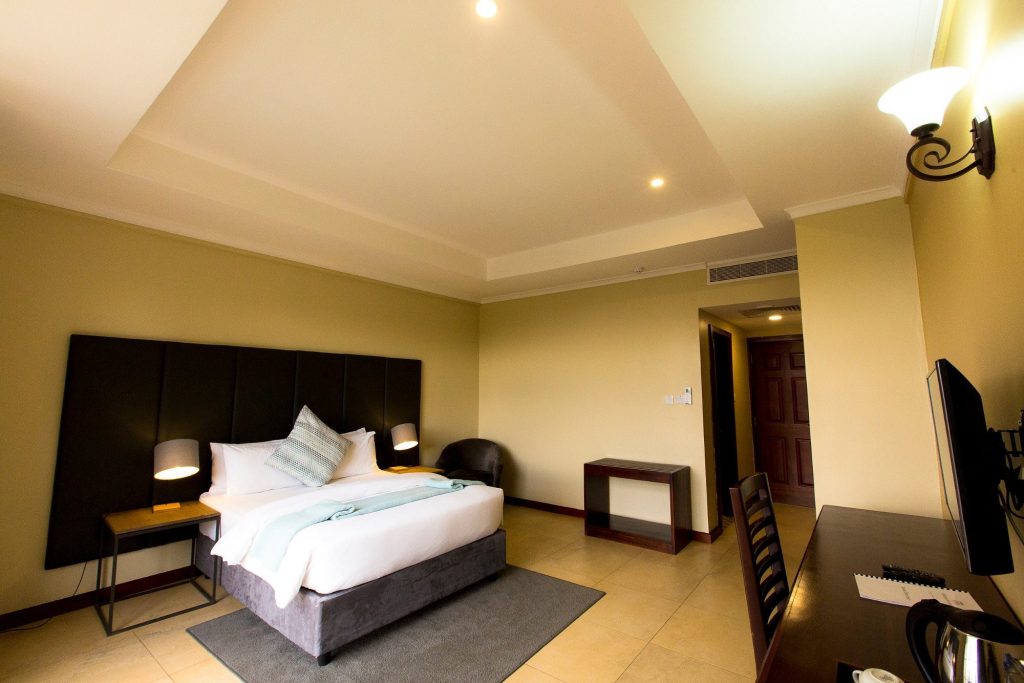
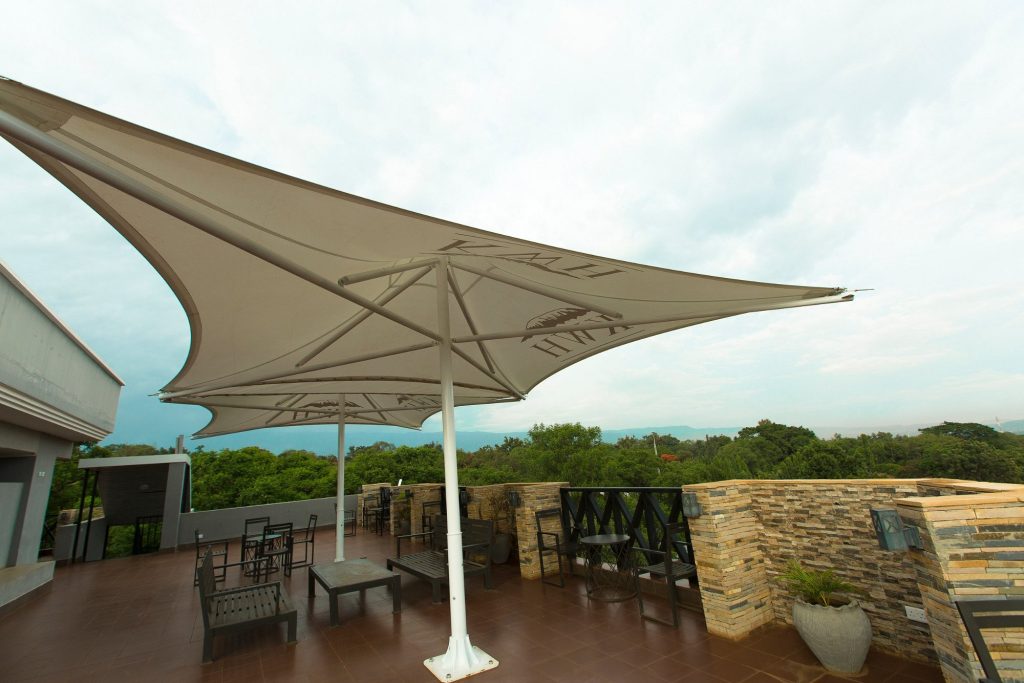
Park View Inn Moshi a place to enjoy the beauty and adventure of Mount Kilimanjaro, The hotel is in the heart of Moshi, a lively town at the base of the mountain. Whether you are here to climb, safari, or conference, we will make your stay cozy and comfortable.
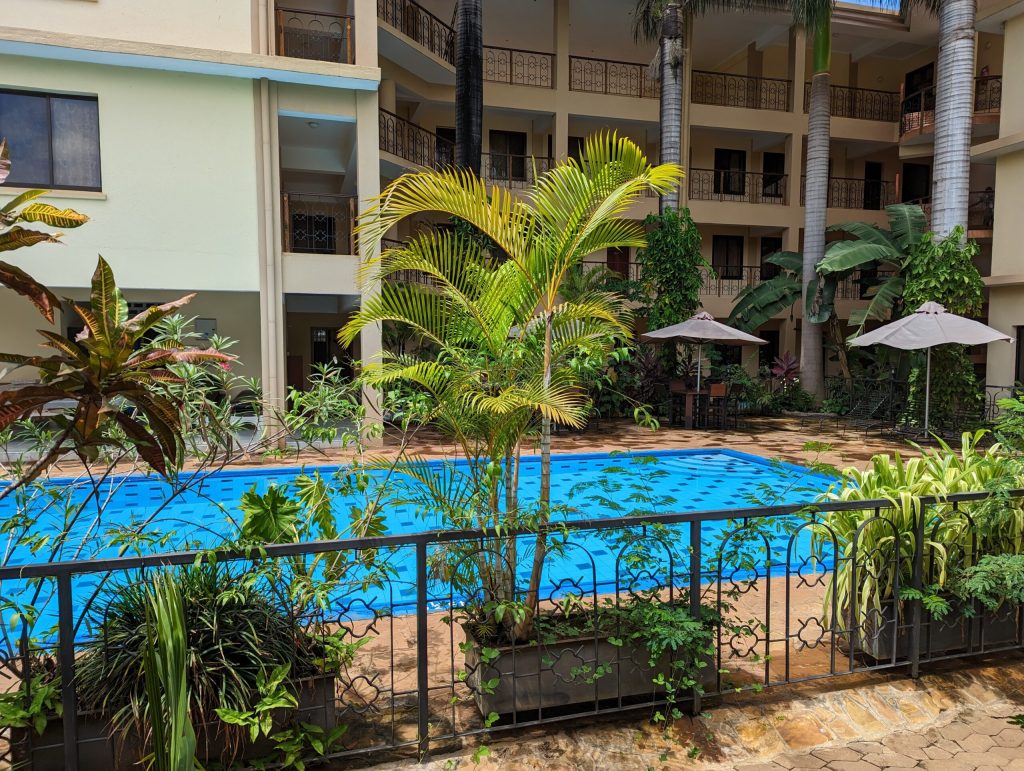
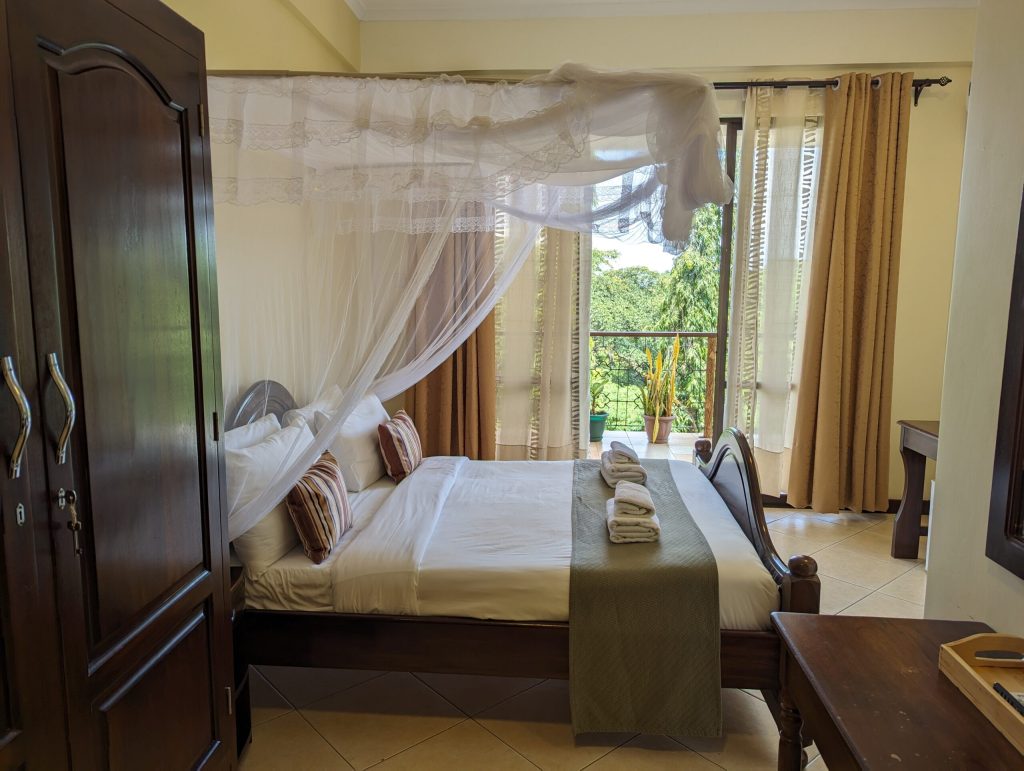
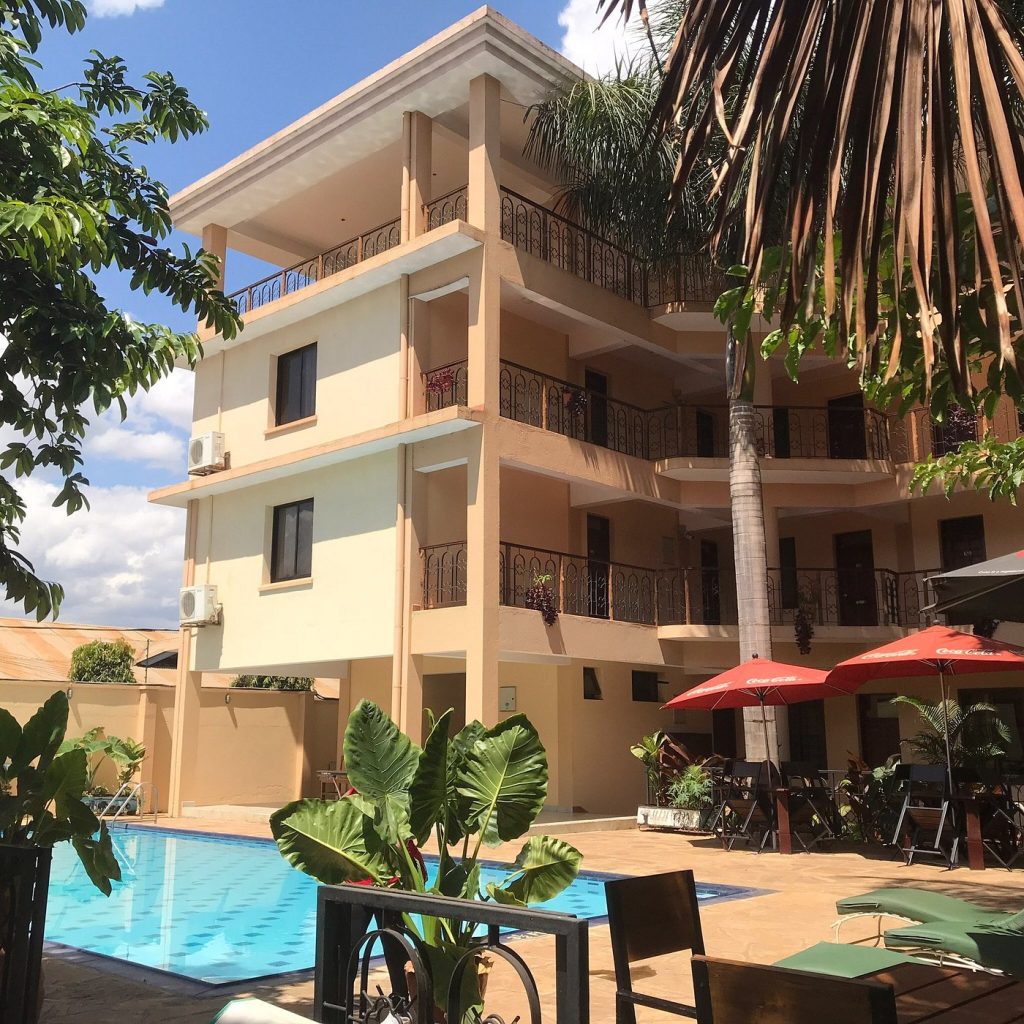
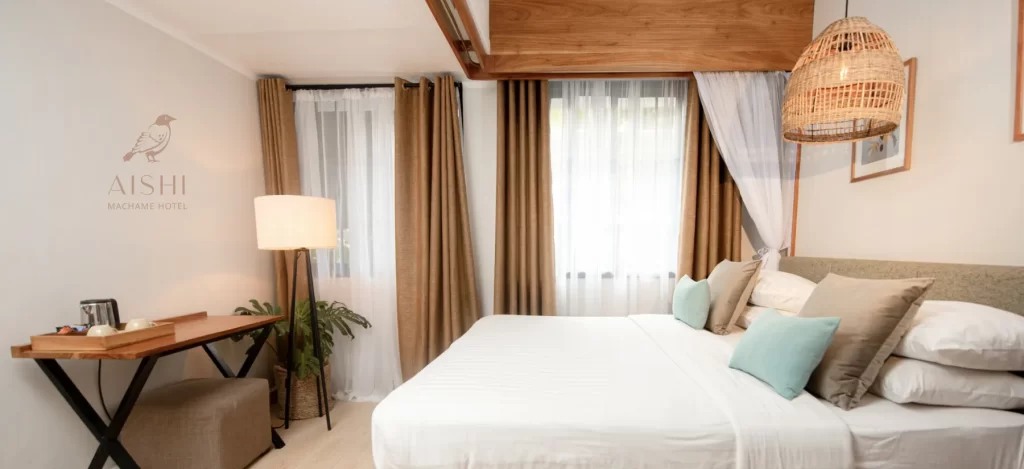
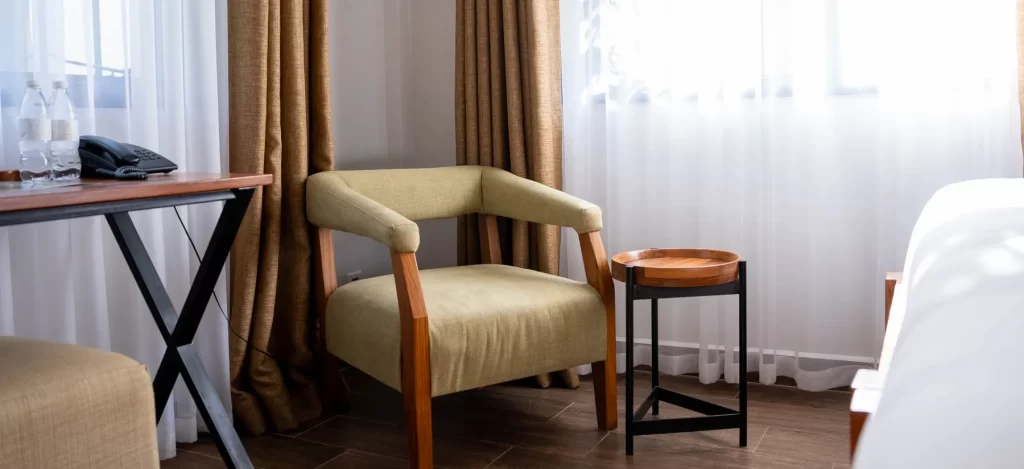
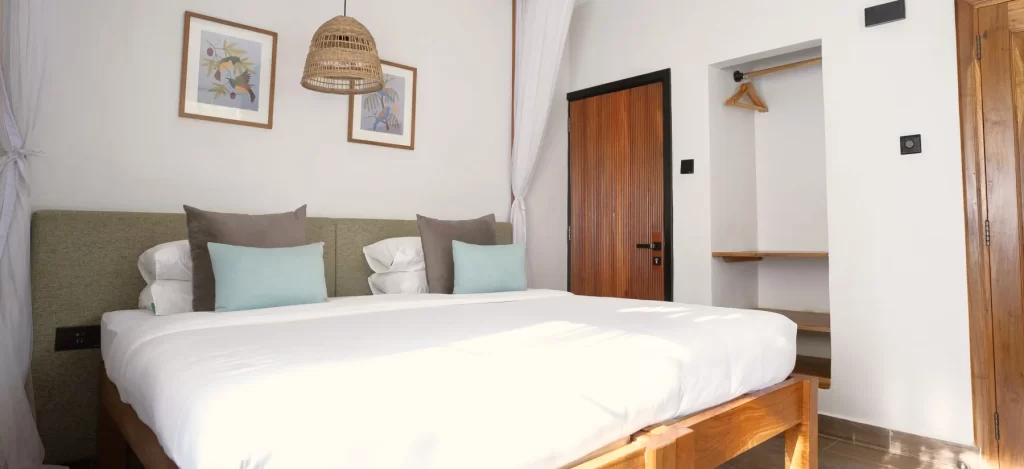
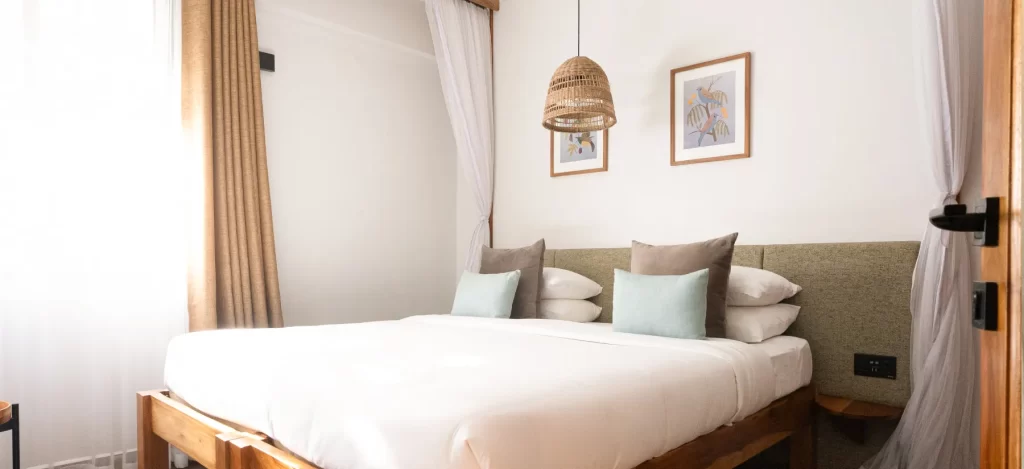
Aishi Machame Hotel Just 25 minutes. a peaceful getaway surrounded by nature. the hotel features beautiful gardens, a relaxing outdoor swimming pool, and rooms that are newly renovated for comfort.
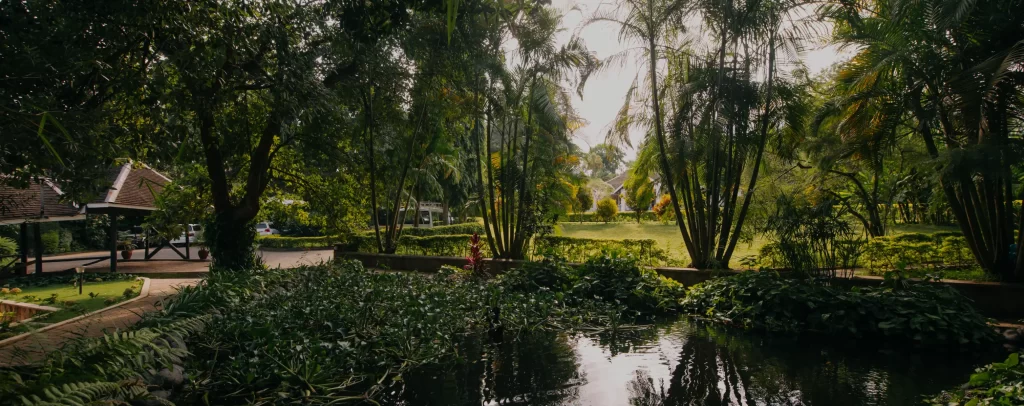
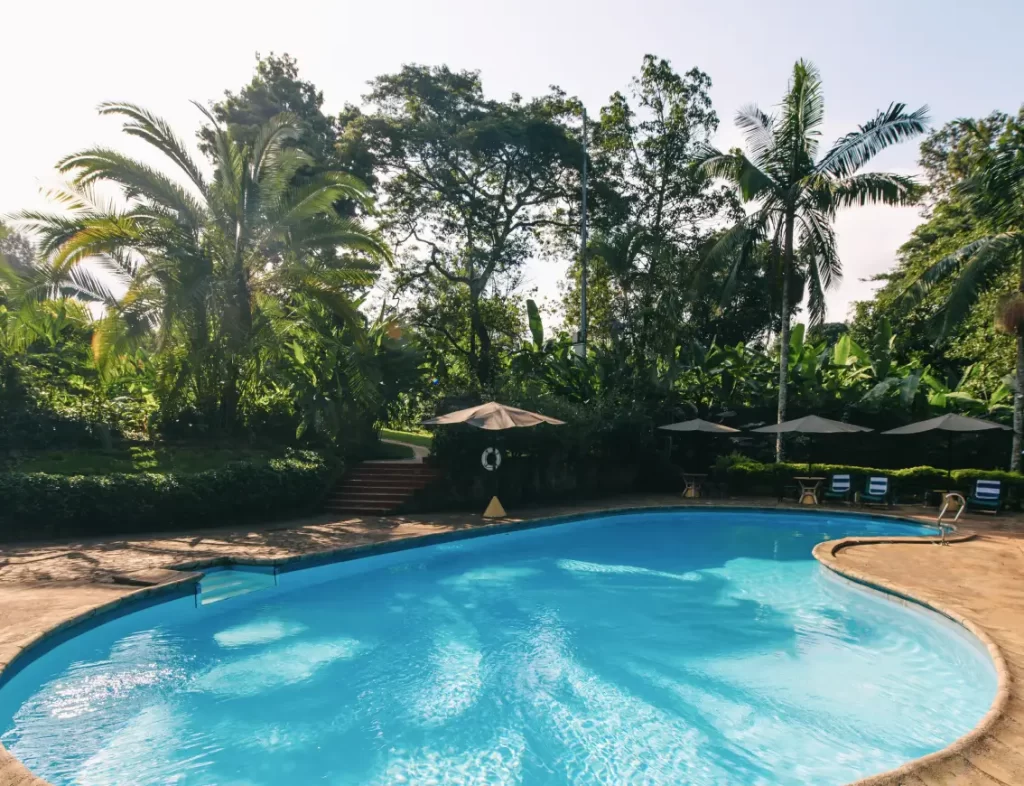
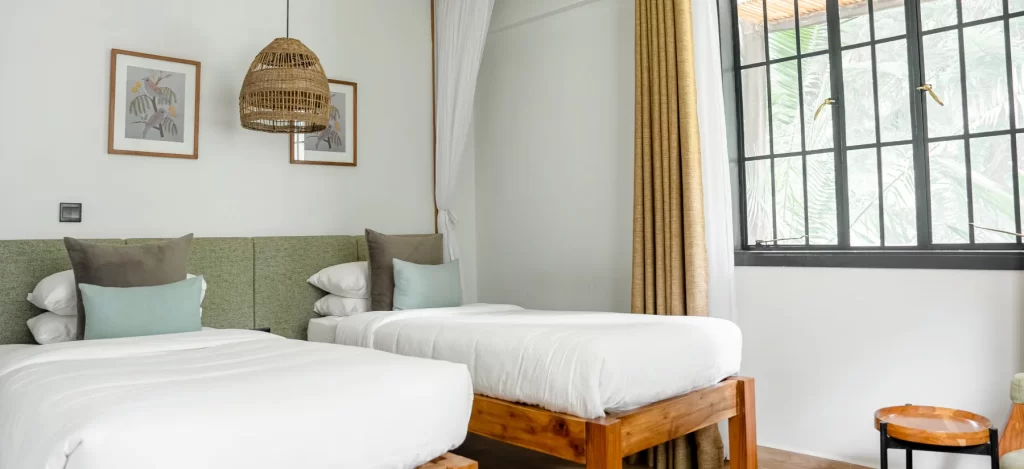
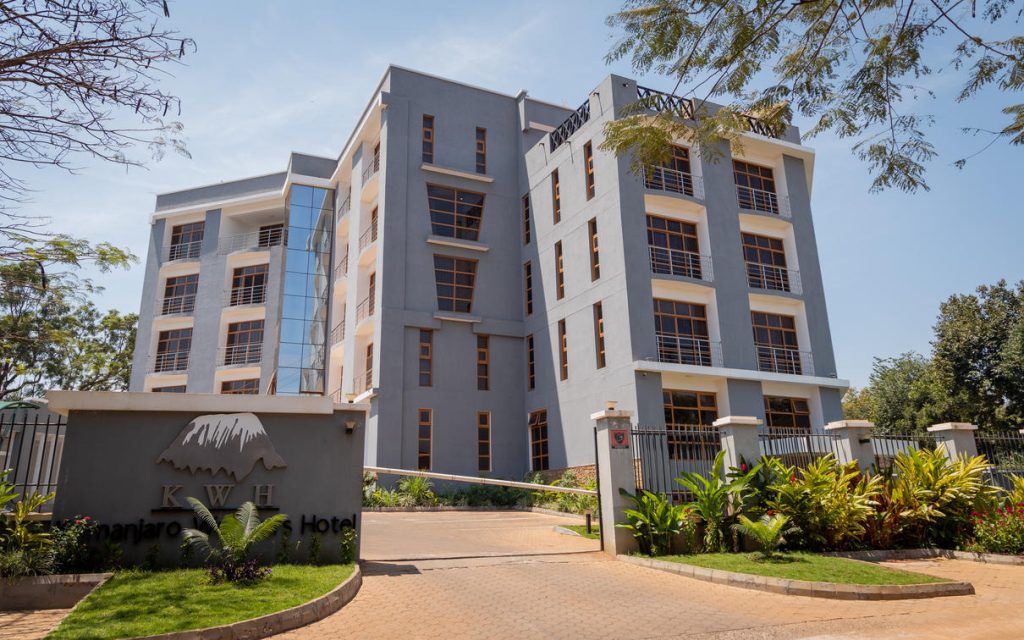
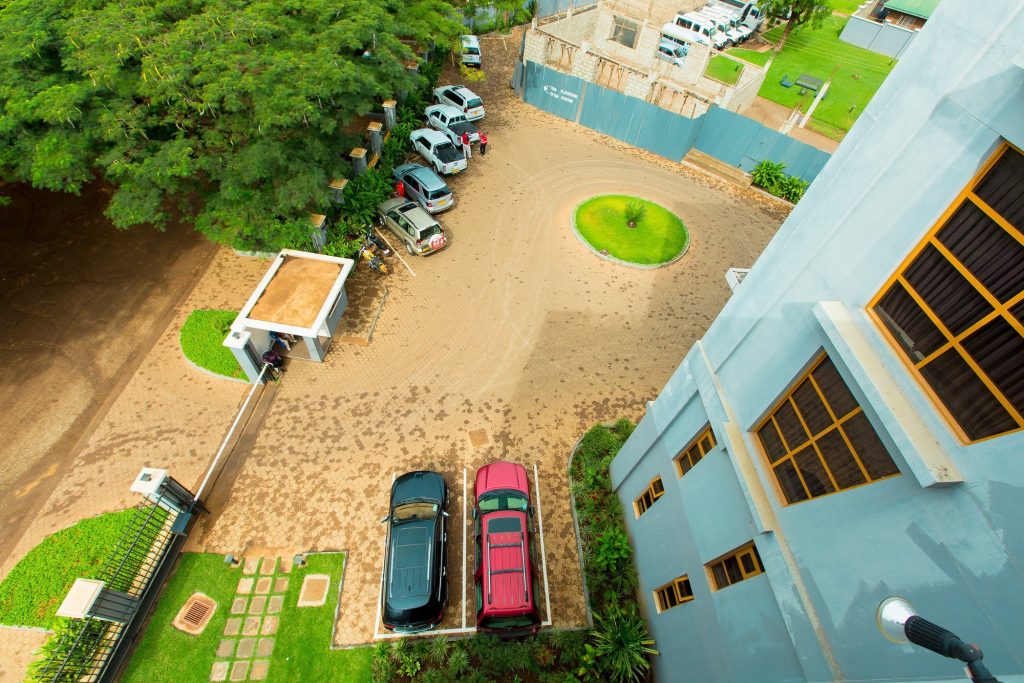
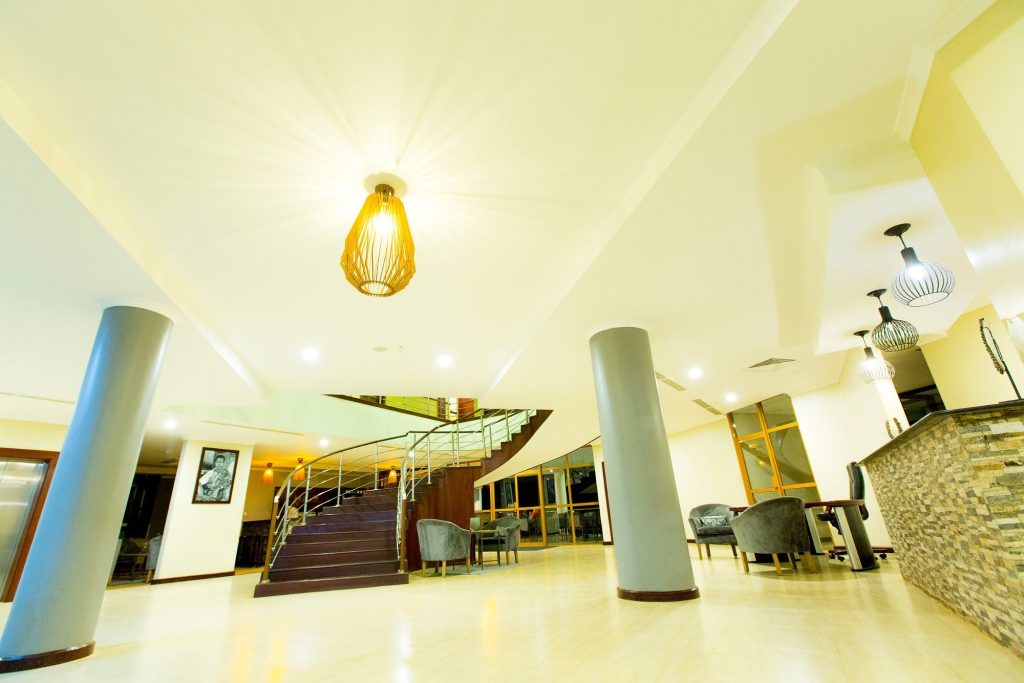
Kilimanjaro Wonders Hotel is one of the first truly 4-stars boutique hotels in Moshi which provide great ambience and facilities. Located 4km from the Town of Moshi, 45 km away from Kilimanjaro national park, 40km away from the Kilimanjaro International airport.
FAQs
What our Clients Says
Where is Mount Kilimanjaro located?
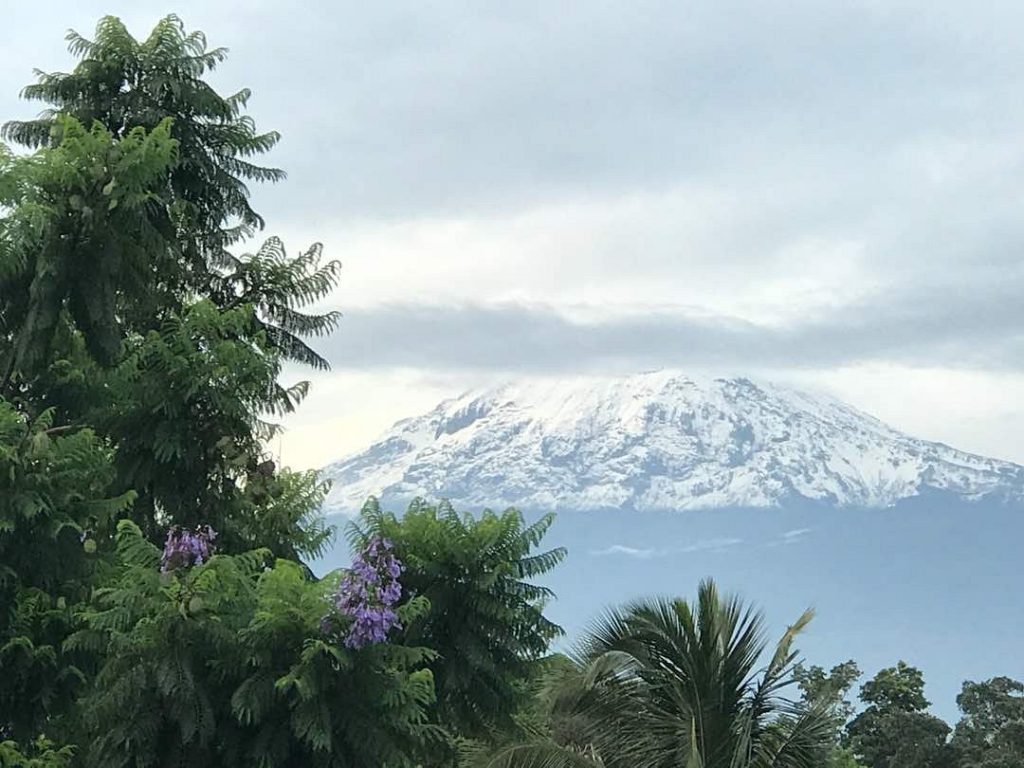
Mount Kilimanjaro is located in northern Tanzania near the Kenya border. It is the highest mountain in Africa and stands at 5,895 meters (19,341 feet) above sea level.
Do I need climbing experience to climb Kilimanjaro?
Do I need climbing experience to climb Kilimanjaro?aNo technical climbing experience is required. Kilimanjaro is considered a non-technical trek, meaning hikers can reach the summit without ropes or mountaineering equipment. However, good physical fitness and preparation are important.
How long does it take to climb Kilimanjaro?
Most treks take 5 to 9 days, depending on the route chosen. Longer routes allow better acclimatization and increase the chances of successfully reaching the summit.
What is the best time to climb Kilimanjaro?
The best months to climb Mount Kilimanjaro are:
January to March – cooler temperatures and fewer crowds
June to October – dry weather and the most popular trekking season
January to March – cooler temperatures and fewer crowds
June to October – dry weather and the most popular trekking season
How difficult is the Kilimanjaro climb?
Kilimanjaro is challenging mainly due to high altitude, not technical difficulty. Trekkers must hike for several hours each day while gradually adjusting to decreasing oxygen levels.
What is the success rate for reaching the summit?
Success rates depend on the route and number of days spent acclimatizing. Routes lasting 7–8 days have the highest success rates, often reaching 85–90%.
What routes can be used to climb Kilimanjaro?
The most popular routes include:
1. Machame Route
2. Lemosho Route
3. Marangu Route
4. Rongai Route
5. Northern Circuit Route
Each route offers different scenery, duration, and difficulty levels.
1. Machame Route
2. Lemosho Route
3. Marangu Route
4. Rongai Route
5. Northern Circuit Route
Each route offers different scenery, duration, and difficulty levels.
Do I need a guide to climb Kilimanjaro?
Do I need a guide to climb Kilimanjaro?
What should I pack for the climb?
Essential items include:
Warm layered clothing
Waterproof jacket and pants
Hiking boots
Sleeping bag
Headlamp
Sunscreen and sunglasses
Personal medication
Most tour companies provide camping equipment.
Warm layered clothing
Waterproof jacket and pants
Hiking boots
Sleeping bag
Headlamp
Sunscreen and sunglasses
Personal medication
Most tour companies provide camping equipment.
Is altitude sickness a concern?
Yes. Because Kilimanjaro is very high, some trekkers experience altitude sickness. Choosing a longer itinerary, hiking slowly, and staying hydrated help reduce the risk.
Where do climbers sleep during the trek?
Accommodation depends on the route:
Camping tents on most routes
Mountain huts on the Marangu Route
Camping tents on most routes
Mountain huts on the Marangu Route
What happens after reaching the summit?
Trekkers reach Uhuru Peak, take photos at the summit sign, and then descend the same day to a lower camp for rest.
Other Trips
Browse More Experiences
Start Planning
Your Dream Safari
About Us
We are a professional tour company in Tanzania, specializing in safari adventures, trekking, and beach holidays.
Destinations
© Leopard Trail Expedition 2026. all rights reserved.